How 80,000 feet of film became “American Pachuco”
Published on January 23, 2026
From farmworker theater to Hollywood soundstages, Luis Valdez’s life spans decades of Chicano cultural history. The team behind "American Pachuco" used Dropbox and Dropbox Replay to turn an overwhelming archive into a focused, coast-to-coast documentary edit.
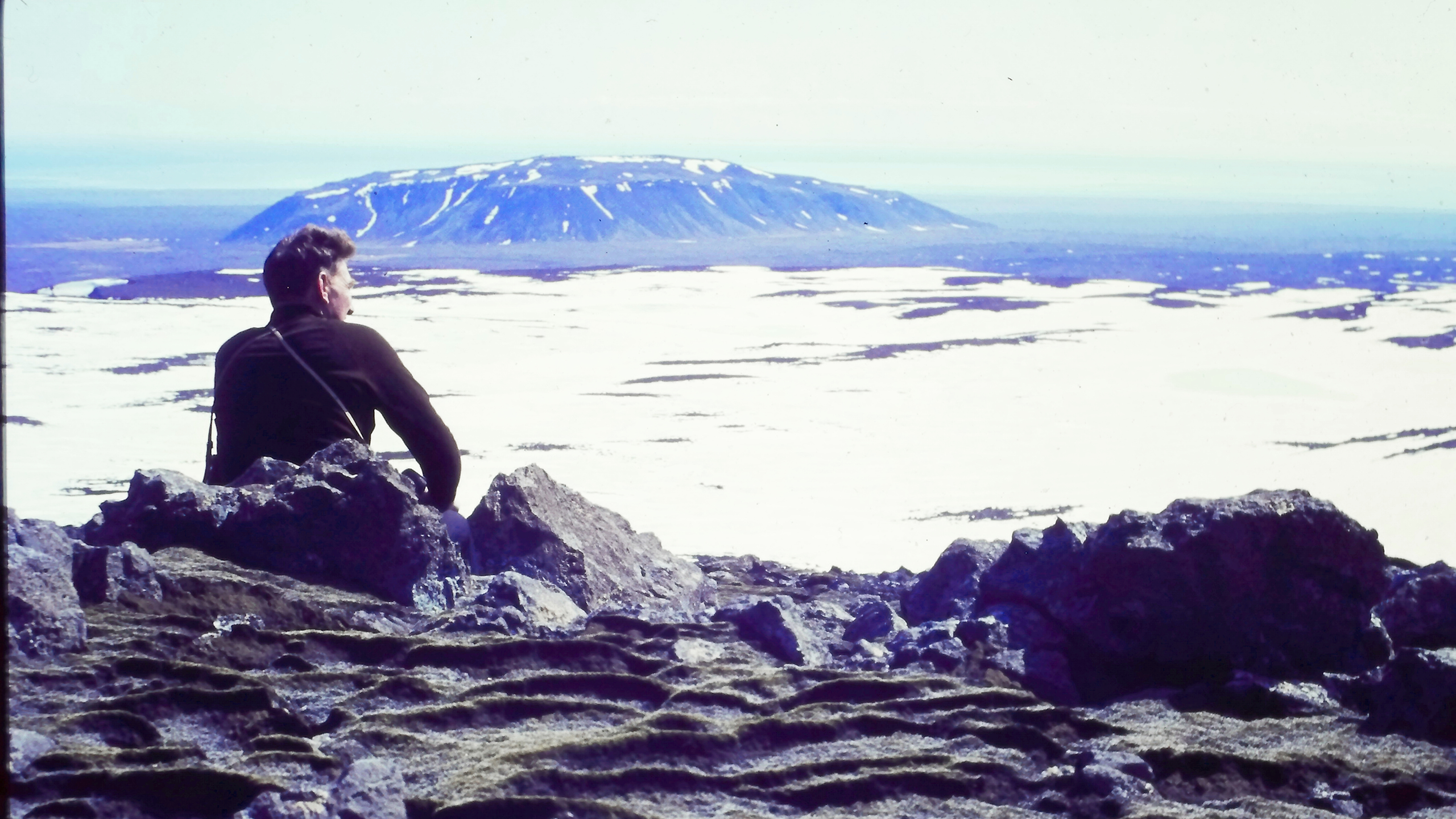
David Alvarado has made enough documentaries to know the feeling that really scares you: not having enough footage. American Pachuco: The Legend of Luis Valdez gave him the opposite problem. Midway through the project, Alvarado learned about a collection of 16mm and 8mm film sitting in the University of California, Santa Barbara library—reels documenting the early years of El Teatro Campesino, the farmworker theater collective Valdez founded in the 1960s, that had never been digitized. The footage couldn’t even be viewed without being transferred first, and the initial quote came back at $100,000.
The team found another way. What came back was a flood: 80,000 feet of film scanned in 4K, or roughly 30 terabytes of history, including rare, intimate footage of Cesar Chavez, street performances, and Chicano theater taking its message on the road.
“That’s when the game changed,” Alvarado says. “Now we had everything. Not just contemporaneous news footage looking in from the outside, but footage from the inside, looking at itself.”
Managing that goldmine of material mattered just as much as finding it. Alvarado and fellow producers Lauren DeFilippo and Everett Katigbak share more about the archival rescue, the creative choices behind the film, and how tools like Dropbox helped keep the project moving.
~ ~ ~
Some documentaries feel like they're rationing their archive. You see the same clips cut different ways. This film felt different. You're just cruising through material instead of guarding it. When did you realize this wasn't a scarcity problem—that you actually had too much?
Alvarado: We worked with a great archival producer who started to collect material, but even in our early assembly process, it kind of felt a little bit like a clip show, and that didn't feel quite right.
Once we got that Santa Barbara footage digitized, that's when we realized this is an archival film, and we need to lean into that, rather than run away from it.
What's actually in those 80,000 feet of footage?
Alvarado: It ranges from never-before-seen footage of Cesar Chavez, shot on 16-millimeter with real dual-sound recording, to the actos [short political skits performed in the fields and at rallies], the early skits from the ’60s and early ’70s used to get people involved in the grape strike.
A lot of it comes from the early to mid-’70s, when El Teatro Campesino left the union and took the work on the road. It’s a really intimate look at what it was like to be a Chicano performer trying to bring Chicano culture and theater to America.
DeFilippo: We’re planning to make all of the digitized footage available on the Internet Archive after the film’s release. So much of the Chicano movement and Luis’s life and work will finally be accessible to anyone who wants to see it.
"We cut the film and delivered a picture-locked cut to Sundance in nine months by leaning into tools like Replay that helped us focus on decisions instead of logistics."
Was managing that volume overwhelming?
Alvarado: I’m not intimidated by lots of files. I’m only uncomfortable when I don’t have enough.
With your editor in San Francisco, assistant editor in LA, and you in New York, how did you keep everyone working from the same material?
Alvarado: We stored all of our proxies on Dropbox. When somebody drops something in there, the whole team has it all at once. That's incredibly better than saying, "Hey, did you get that last thing? Can you ship me a drive? Send me the link?" All that stuff is just friction in the creative process. The more that tools can remove friction, the more creative we can be.
When did tools like Dropbox Replay help?
Alvarado: When we were onlining [reconnecting the edit to the full-resolution footage], there were constant questions like, ‘Is this the real 4K clip or a proxy?’ Being able to share a link and say, ‘Here’s what I think is the latest cut—can you check it?’ and then identify issues precisely in Replay was huge.
Text-based editing was just as important. On earlier films, we had to listen through everything or rely on transcripts and timecode. This time, we could work directly from transcripts, highlight lines, and move much faster. We cut the film and delivered a picture-locked cut to Sundance in nine months by leaning into tools like Replay that helped us focus on decisions instead of logistics.
 Dropbox Dash: AI that understands your work
The film uses a pachuco, a zoot-suited Chicano figure, as an active narrator rather than a neutral voiceover. Why did you want him at the center of the story?
Alvarado: I feel like Luis put the pachuco at the center of his work because he became the voice of the Chicano community and a way to find empowerment. You grow up being told you don’t belong. The pachuco was the opposite. He didn’t just belong there. He owned the show. When we tried it with another actor, it didn’t quite work. As soon as Edward James Olmos started recording, it was clear.
Using the pachuco also lets me say what needs to be said efficiently and organically. I’m trying to move the story forward and keep people engaged, not rely on lazy narration.
The film leans into rasquachi, a Chicano aesthetic that values resourcefulness over polish. How did that shape the overall look and feel of the film?
Katigbak: A lot of what we were trying to communicate needed to be felt, not explained. The visuals, the graphics, and text draw from this idea of rasquachi that runs through the film and really shaped how it looks. That’s where Dropbox came in. The graphics had to work closely with the narrative, and coordinating between motion designers and editors was an interesting dance. The question was always how to communicate the culture viscerally, speaking directly to Chicano audiences, while still giving people outside the culture a real sense of it. We just had to make it work.
What do you hope future filmmakers learn from how this film was made?
Alvarado: I think there are a lot of questions right now about technology and tools and what role they’re supposed to play. Speaking for myself, I lean into technology because it helps me do more creatively. The tools are going to keep changing year by year, and the pace can feel intimidating. But if something helps me move faster or focus more on the creative work instead of logistics, I want to use it. I’d encourage filmmakers, especially first-time filmmakers, not to get too comfortable with what they’re used to. Be ready to move on to the next thing, learn it, and get better. That’s really the only way to stay afloat.
American Pachuco is the winner of the 2025 Library of Congress Lavine/Ken Burns Prize for Film. After its Sundance premiere, the film will air on PBS's American Masters series this fall.
This interview has been lightly edited and condensed.
The Author